loading

Warning: Trying to access array offset on value of type null in /home/u997303298/domains/interviewcopilotai.com/public_html/wp-content/themes/blogshub/vendor/lib/bloghub-breadcrumbs.php on line 21

How AI Is Transforming Job Preparation with Smart Interview Support

Introduction

Job interviews have evolved beyond simple question-and-answer sessions. Today, recruiters evaluate communication clarity, structured thinking, confidence, and adaptability. Many qualified candidates struggle not because they lack skills, but because they fail to present their experience effectively. This is where AI For Interview preparation is changing the landscape. Artificial intelligence is helping job seekers practice smarter, respond better, and approach interviews with clarity. Platforms like LockedIn AI are designed to support candidates in building structured answers, improving delivery, and preparing strategically for both technical and behavioral interviews. In this guide, you will learn how AI-powered preparation works, why it is effective, and how you can use it responsibly to improve your performance.

Why Traditional Interview Preparation Is Not Enough

Preparing for interviews traditionally involves reading common questions, practicing with friends, and reviewing job descriptions. While helpful, these methods have limitations:

Interviews today require quick thinking and well-organized responses. Recruiters expect candidates to answer behavioral questions using structured formats like STAR (Situation, Task, Action, Result). Without guided practice, many candidates struggle to present answers clearly. This gap is where AI-Powered Interview Preparation tools bring measurable value.

How AI Improves Interview Readiness

1. Structured Answer Generation

AI tools analyze common interview patterns and help candidates build well-organized answers. Instead of vague responses, candidates learn how to structure their experiences clearly and professionally. For example, when asked about handling conflict at work, AI can guide you to:

This structured approach significantly improves clarity.

2. Personalized Mock Interviews

One of the biggest benefits of AI-Powered Interview Preparation preparation is simulated interview practice. AI systems can generate industry-specific questions based on your job role, experience level, or target company. Unlike static question lists, AI adapts based on your responses. It can ask deeper follow-up questions, creating a realistic interview environment.

3. Instant Feedback and Performance Insights

AI-powered tools evaluate:

With instant feedback, candidates can refine answers quickly instead of repeating the same mistakes. Platforms such as LockedIn AI provide performance analytics that allow users to track improvement over time. This data-driven preparation increases confidence before the real interview.

Technical Interviews and AI Support

Technical interviews can be especially challenging due to problem-solving pressure. AI-based preparation tools assist by:

Using AI-Powered Interview Preparation practice in technical roles helps candidates strengthen logic, improve speed, and prepare for edge-case follow-up questions. However, preparation should focus on understanding concepts rather than memorizing solutions. Responsible usage ensures genuine skill improvement.
Real Results From Real Users
Benefits of AI-Powered Interview Preparation
Improved Confidence

Confidence comes from repetition and clarity. AI simulations provide repeated practice in a safe environment, reducing anxiety before real interviews.

Time Efficiency

Instead of searching through dozens of online resources, AI tools compile relevant questions and structured answers instantly.

Customization

Every job role requires different preparation. AI systems personalize practice sessions based on your career goals, making preparation more targeted and effective.

Consistency

Unlike human mock interview partners who may not always be available, AI tools are accessible anytime, allowing consistent practice. This is why many professionals now integrate AI-Powered Interview Preparation tools into their preparation strategy.

Best Practices for Using AI in Interview Preparation

While AI offers powerful support, it should be used strategically. Here are some best practices:

Tools like LockedIn AI are designed to enhance preparation, not replace personal effort. The goal is skill development, not dependency.

The Future of Interview Preparation

Recruitment processes are becoming more competitive and technology-driven. Many companies already use AI for resume screening and initial assessments. Preparing with AI-Powered Interview Preparation solutions ensures candidates are aligned with modern hiring standards. As artificial intelligence continues to evolve, interview preparation will become more personalized and data-driven. Candidates who adapt early gain a competitive edge. LockedIn AI is part of this transformation, helping job seekers bridge the gap between capability and performance.

Conclusion

Interview success depends not only on knowledge but also on presentation, structure, and confidence. Traditional preparation methods often leave candidates underprepared for high-pressure situations. By incorporating AI For Interview preparation into your routine, you can practice smarter, receive instant feedback, and refine your communication skills effectively. Used responsibly, AI becomes a powerful assistant in your professional journey. The key is to combine technology with authentic storytelling and genuine understanding. With the right preparation strategy, your next interview can become an opportunity rather than a challenge.

FAQs
1. What is AI For Interview preparation?

AI For Interview preparation uses artificial intelligence tools to simulate interviews, generate structured answers, and provide performance feedback.

Yes, when used for practice and skill improvement. It should help you understand concepts better rather than replace genuine knowledge.

Yes, AI tools can generate coding problems, explain solutions, and simulate technical interview scenarios.

Consistent practice 3–4 times per week before an interview is generally effective for building confidence.

No. LockedIn AI supports and enhances preparation, but personal effort and real understanding remain essential for success.
LockedIn Duo: Real-Time AI + Human Interview Support for Modern Professionals

Introduction

Online interviews have become more competitive than ever. Technical questions are deeper, system design discussions are more complex, and behavioral rounds require clarity under pressure. As a result, many professionals look for smarter ways to stay confident and focused. That is where LockedIn Duo steps in. Developed by LockedIn AI, this solution blends artificial intelligence with real-time human guidance. Instead of facing interviews alone, candidates receive structured support exactly when they need it most.

What Is LockedIn Duo?

Real-Time Interview Copilot is a real-time interview assistance system that combines AI intelligence with live human support. During an online interview, a trusted helper can see your screen and hear the conversation in real time. Meanwhile, AI handles transcription and context processing instantly. Because of this hybrid approach, users receive structured guidance without disrupting their natural conversation flow. The system is designed specifically for interview environments where timing and discretion matter. Unlike traditional preparation tools, this platform focuses on live performance. It ensures that candidates remain confident while answering technical, coding, or behavioral questions.

How Real-Time Hybrid Support Works

The system operates through a synchronized loop between AI and human expertise. First, AI captures live audio and converts it into transcription. Then, it processes context and identifies key discussion points. At the same time, a human helper monitors the session. As a result, guidance arrives instantly in the form of:

Because everything syncs without lag, users can stay fully engaged in the interview. Moreover, there is no need to switch apps or break focus. This seamless experience makes Real-Time Interview Copilot particularly valuable in high-pressure coding rounds and system design discussions.

Why It’s Different From Generic Remote Tools

Many people compare interview assistance tools to remote desktop software. However, there is a major difference. Generic collaboration platforms were not built for live interview dynamics. In contrast, LockedIn Duo is purpose-built for interview scenarios. It understands the importance of:

From the interviewer’s perspective, everything appears completely normal. They see a clean screen share and natural interaction. Therefore, the conversation flows professionally without visible interruptions. This level of optimization sets the system apart from standard remote collaboration tools.

Real Results From Real Users
Built for Technical and Behavioral Interviews

Modern hiring processes often include multiple technical layers. Candidates may face algorithm challenges, debugging tasks, architecture design discussions, or scenario-based behavioral questions. Because of this complexity, real-time context matters. LockedIn Duo supports:

For software engineers, cloud professionals, and cybersecurity specialists, this type of support can make a measurable difference. In addition, structured prompts help maintain logical flow when explaining complex technical ideas. Developed under the ecosystem of LockedIn AI, the tool integrates smoothly with other interview preparation workflows. Therefore, candidates can move from preparation to live support without friction.

The Power of AI + Human Collaboration

Artificial intelligence is fast and consistent. However, human judgment adds nuance and adaptability. That is why the hybrid model is powerful. AI captures the words being spoken. Meanwhile, the human helper interprets tone, intent, and deeper meaning. Together, they create a balanced feedback system. This collaboration loop ensures:

Because interviews often test both knowledge and composure, this combination becomes highly effective. Candidates can think clearly while maintaining structured responses. Ultimately, LockedIn Duo represents a new category of real-time interview support. It bridges the gap between preparation and live execution.

Who Should Consider Using It?

This solution is ideal for:

Since the hiring landscape continues to evolve, tools that enhance live performance are becoming increasingly relevant. Through LockedIn AI, users gain access to an ecosystem focused on career success. As interviews grow more challenging, structured real-time support becomes a competitive advantage.

FAQs
1. What makes LockedIn Duo different from AI-only tools?

It combines AI processing with real-time human judgment. Therefore, users receive both speed and strategic thinking during interviews.

Yes, when used correctly. Reputable platforms apply to jobs ethically and avoid spam-like behavior.

Absolutely. The system helps refine answer framing, improve clarity, and maintain professional tone.

It is designed for technical professionals, including software engineers, cloud engineers, and cybersecurity specialists.

Auto Job Applier: A Smarter Way to Apply for Jobs in 2026

Introduction

Applying for jobs manually has become one of the most time-consuming and exhausting parts of the hiring process. Candidates often spend hours filling out repetitive forms, customizing resumes, and writing cover letters—only to hear nothing back. This is where an Auto Job Applier changes the game by automating applications while maintaining quality and relevance. In this guide, you’ll learn how AI-powered job application tools work, why they are more effective than manual applying, and how job seekers are using them to land interviews faster.

What Is an Auto Job Applier?

An Automated Job Application Tool is an AI-powered system that automatically submits job applications on your behalf. Instead of manually applying to each role, you upload your resume once, define your preferences, and let AI handle the rest. The system matches your profile with relevant roles, customizes application content, and applies across multiple platforms automatically—saving massive amounts of time while keeping applications consistent and ATS-friendly.

Why Manual Job Applications No Longer Work

The modern job market is crowded. Recruiters receive hundreds of applications per role, and Applicant Tracking Systems (ATS) filter candidates before a human ever sees them. Manual applying comes with clear drawbacks:

Even strong candidates lose out simply because they can’t apply fast or at scale.

How an Automated Job Application Tool Uses AI

An Automated Job Application Tool relies on artificial intelligence to understand your skills, experience, and job preferences. Instead of blindly sending applications, AI evaluates job descriptions and applies only to relevant roles. Core AI functions include:

Platforms like LockedIn AI use this approach to ensure applications stay targeted instead of becoming spammy.

Real Results From Real Users
Automated Job Application Tool vs Manual Applications
FeatureAutomated Job Application ToolManual Applying
Applications per day50–200+3–5
Time requiredMinutes40+ hours/week
Resume customizationAI-poweredManual
Cover lettersAuto-generatedWritten one by one
ATS optimizationHighInconsistent
TrackingReal-time dashboardSpreadsheets

This comparison shows why automation is becoming essential rather than optional.

Key Benefits of Using an Automated Job Application Tool

Using an Automated Job Application Tool isn’t just about speed—it’s about applying smarter.

When combined with interview support tools from LockedIn AI, candidates can move faster from application to offer stage.

Who Should Use an Automated Job Application Tool?

An Automated Job Application Tool is ideal for:

Whether you’re early in your career or targeting senior roles, automation gives you an edge.

Common Mistakes to Avoid

Even with automation, results depend on setup quality. Avoid these mistakes:

Smart tools help with applying, but interview readiness still matters—this is where ecosystems like LockedIn AI stand out.

Final Thoughts

An Auto Job Applier is no longer a shortcut—it’s a strategic advantage. In a hiring landscape driven by speed and automation, relying on manual applications puts candidates at a disadvantage. By combining intelligent matching, ATS optimization, and continuous job discovery, AI-powered tools help job seekers reclaim time and increase interview chances—without sacrificing quality.

FAQs
What is an Auto Job Applier?

An Automated Job Application Tool is an AI-powered tool that automatically applies to relevant jobs on your behalf using your resume and preferences.

Yes, when used correctly. Reputable platforms apply to jobs ethically and avoid spam-like behavior.

Recruiters care more about resume quality and relevance than how an application was submitted.

Most tools allow 50–200+ applications per day, depending on settings and filters.

Yes, AI-optimized resumes are designed to pass ATS filters more effectively than manual resumes.

How to Master a Job Interview Phone Call With Confidence

Introduction

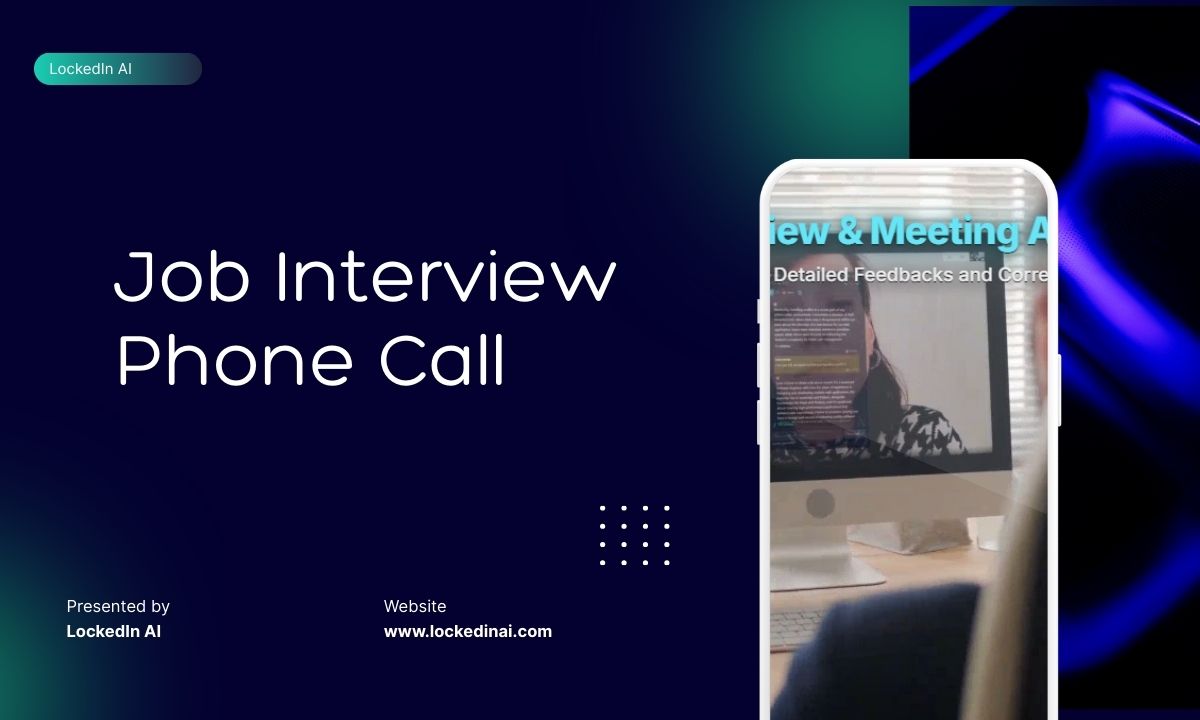
How to Master a Job Interview Phone Call With Confidence A Interview Phone Call is often the first real interaction between you and a hiring manager. Even though it may sound informal, this stage plays a crucial role in deciding whether you move forward in the hiring process. Recruiters use phone interviews to evaluate communication skills, clarity of thought, and how well you fit the role—all without seeing you. Because there are no visual cues, phone interviews can feel more challenging than video or in-person conversations. However, with the right preparation and structure, you can turn this call into a strong advantage.

What Is a Job Interview Phone Call?

A Interview Phone Call is typically a screening round conducted by recruiters or hiring managers. It helps them quickly assess your background, experience, and interest in the role. In many cases, this call determines whether you advance to technical or final interviews. Although it may feel casual, the expectations are high. Recruiters listen closely to how you explain your experience, respond to follow-up questions, and handle pauses or unexpected queries.

Why Phone Interviews Matter More Than You Think

Phone interviews save time for employers, but for candidates, they act as a critical filter. Since recruiters cannot see body language, your voice, structure, and confidence become the deciding factors. A strong phone interview shows that you can communicate clearly, think on your feet, and stay composed—all skills that employers value highly.

Common Challenges Candidates Face

Many candidates struggle during a Interview Phone Call due to avoidable issues, such as:

Because the conversation flows quickly, there is little room to “reset” once you lose momentum.

Real Results From Real Users
How to Prepare Before the Call

Preparation is the foundation of a successful phone interview. Before your scheduled call, make sure you:

Additionally, practicing aloud helps you get comfortable hearing your own responses, which is crucial for phone-based interviews.

Answering Questions Clearly During the Call

Clarity matters more than speed. When answering questions in a Interview Phone Call, structure your responses instead of jumping straight into details. For example:

This approach keeps your answers focused and easy to follow, even for complex questions.

Staying Confident Under Pressure

Pressure often builds when recruiters ask unexpected questions. Instead of rushing, take a short pause to organize your thoughts. A calm pause sounds professional and shows confidence. Many candidates now rely on structured guidance during interviews to maintain clarity. Platforms like LockedIn AI are designed to help candidates stay composed by offering real-time prompts, structured talking points, and clear frameworks—especially useful when the conversation becomes intense.

Using Real-Time Support Tools

Modern interview tools can significantly improve performance during a Interview Phone Call. When used correctly, real-time support helps you:

LockedIn AI allows candidates to access interview assistance on a separate device, making it easier to stay focused while delivering polished responses without breaking the flow of conversation.

Final Tips for Success

Before ending your phone interview, remember to:

A Job Interview Phone Call is not just about answering questions—it’s about showing that you can communicate clearly, think logically, and represent yourself professionally under pressure.

FAQs
How long does a Job Interview Phone Call usually last?

Most phone interviews last between 15 to 30 minutes, depending on the role and level.

Yes, keeping short bullet-point notes nearby is perfectly acceptable and often helpful.

The most common mistake is giving unstructured, overly long answers without a clear point.

Absolutely. A brief pause helps you organize your thoughts and respond more confidently.

Yes, real-time guidance tools can help you stay structured, confident, and aligned throughout the interview.